Business Name: FootPrints Home Care
Address: 4811 Hardware Dr NE d1, Albuquerque, NM 87109
Phone: (505) 828-3918
FootPrints Home Care
FootPrints Home Care offers in-home senior care including assistance with activities of daily living, meal preparation and light housekeeping, companion care and more. We offer a no-charge in-home assessment to design care for the client to age in place. FootPrints offers senior home care in the greater Albuquerque region as well as the Santa Fe/Los Alamos area.
4811 Hardware Dr NE d1, Albuquerque, NM 87109
Business Hours
Monday thru Sunday: 24 Hours
Facebook: https://www.facebook.com/FootPrintsHomeCare/
Instagram: https://www.instagram.com/footprintshomecare/
LinkedIn: https://www.linkedin.com/company/footprints-home-care
Families hardly ever plan their way into elder in-home care care. More frequently, a small crisis nudges the discussion, then the details flood in. You need assistance for a moms and dad who wants to stay home but is missing out on medications. Or a spouse with Parkinson's is falling more, and you are tired from nighttime roaming. The option usually narrows to 2 courses: bring assistance into the home through a home care service, or move to a house that bundles housing with care, like an assisted living facility. Both can work magnificently, and both can fizzle if you match the incorrect model to the home care for parents needs. The art is in the examination, not the brochure.
I have actually sat at kitchen area tables with households for many years, home care strolling through the differences and the home care for parents Foot Prints Home Care what-ifs. The goal here is to give you a clear way to compare choices and to see around the corners. Budgets matter, yes, but quality of life, control, and predictability matter too. Let's unpack what to look for, what concerns to ask, and how to decide with confidence.
What "home care" actually indicates, and what it does n'thtmlplcehlder 6end. Home care, sometimes called nonmedical home care or personal duty care, sends out a senior caregiver to the home to assist with everyday routines: bathing, dressing, meal preparation, light housekeeping, medication pointers, friendship, and safe transportation. Agencies can staff for a couple of hours a week or round the clock. It is versatile, typically quick to begin, and keeps the person in familiar surroundings. It is not the like home health. Home health is medical and time-limited, bought by a physician after a hospital stay or severe episode. Think wound care, proficient nursing check outs, or physical treatment, typically a couple of hours weekly, and frequently covered by insurance coverage. Home care is paid independently for the most part, and it scales based on your needs. When home care works well, it fills the exact gaps. A kid in Denver can work with early morning protection for his mother in Tampa to ensure she showers safely and eats breakfast. A couple managing mild dementia can use afternoon friendship so the spouse can run errands and rest. The surroundings and regimens remain familiar, which frequently decreases agitation and preserves independence. There are limitations. If nighttime wandering becomes continuous, or if transfers need two people, or if medical requirements escalate into frequent evaluations, home care can end up being either too costly or too intricate to coordinate. That's typically where assisted living enters the conversation. What assisted living provides, beyond a room and a meal plan
Assisted living centers are purpose-built neighborhoods that combine housing, meals, 24-hour personnel, and assist with activities of daily living. The contemporary ones feel more like homes than institutions. Homeowners bring their own furnishings, sign up with social activities, and receive scheduled assistance with bathing and medications. The facilities matters: call systems, grab bars, accessible bathrooms, and personnel trained to observe subtle changes.
There are various levels. Standard assisted living suits people who need a predictable level of help however not constant guidance. Memory care systems accommodate dementia with protected layouts, smaller sized staff-to-resident ratios, and specialized shows. Some neighborhoods are certified to provide limited nursing services, though they are not nursing homes.
The appeal of assisted living is predictability. Staffing doesn't depend upon whether a caregiver can make it through a snowstorm. Meals arrive on schedule. Activities and transport are integrated in. The trade-off is control and environment. Even the best community has guidelines about pets, cigarette smoking, visitors, and when meals are served. For someone fiercely attached to their garden, their patio, and their next-door neighbor's pet, the loss can be felt daily.
Matching needs to designs: a practical method to think of fit
Care choices go smoother when you anchor them in what the person battles with now and what is likely to change in the next year. Start with a basic inventory: mobility, continence, cognition, medications, nutrition, sleep, mood, and safety. Usage specifics, not labels. "Needs aid with shower transfers and dressing" informs you more than "requires some help." "Forgets the range on" is different from "baffled about time of day."
Home care stands out when requirements are periodic or clustered. If morning and night are the tough times, a senior caregiver can cover two day-to-day check outs for hands-on tasks, then your loved one enjoys long stretches of privacy. If social seclusion is the root problem, a companion can separate the day without overhauling the living environment. Home care likewise shines when household is nearby and going to coordinate. You can construct a hybrid strategy: nurse check outs after surgical treatment through home health, a home care assistant to assist with bathing, and family to deal with groceries and rides.
Assisted living fits when help is required often times throughout the day and night, when medication management has actually ended up being a headache, or when the home is unsafe to customize. It also fits when a spouse is the main caretaker and stressing out. I have viewed couples who swore they would never ever live apart restore their relationship after a relocation, checking out daily as spouse instead of nurse.
Think ahead. If moderate dementia is present and advancing, ask whether the individual will accept complete strangers in the home. Some do, many do not. If paranoia or exit-seeking is already an issue, a secure memory care wing may prevent a cycle of authorities calls and sleepless nights. If falls are increasing and your house has stairs you can not get rid of, the built-in safety of a single-level house with handrails can avoid injuries that alter everything.
The genuine expense comparison, not just the heading prices
Families frequently begin with sticker shock. Home care firms may quote 30 to 40 dollars per hour, in some cases more in high-cost areas or for over night shifts. Assisted living might advertise base rates of 4,000 to 6,000 dollars per month, then layer on care costs. The technique is to develop apples-to-apples numbers around the actual care plan.
A light-support home care plan of 20 hours per week could cost 2,600 to 3,200 dollars per month. That may be enough for someone who requires help with showers, a couple of meals, and errands. If nights are an issue and you include 8 hours of awake over night coverage a few times weekly, costs climb quickly. Twenty-four-hour live-in arrangements can often minimize the hourly rate, however real 24/7 awake personnel is the most pricey variation of home care, frequently exceeding 18,000 dollars monthly in lots of markets.
Assisted living includes rent, energies, meals, housekeeping, and activities. Care levels add to the base. A resident who needs medication administration and everyday bathing might include 800 to 1,500 dollars per month to a 5,000 dollar base. Higher care requirements can push totals into the 7,000 to 9,000 dollar range. For innovative dementia in memory care, 7,000 to 10,000 dollars is common, with regional variation.
Don't forget covert home costs. Maintaining a home, property taxes, yard work, and emergency repairs build up. Security adjustments like grab bars, ramps, and restroom remodels can cost several thousand. If you are comparing, consist of food, utilities, transport, and membership services a facility would otherwise cover. On the flip side, moving includes its own expenses: community costs, deposits, moving services, and in some cases furniture that fits smaller spaces.
Funding distinctions matter. Long-term care insurance typically compensates for both in-home senior care and assisted living, but the triggers and daily advantage limitations vary. Veterans might receive Help and Presence. Medicaid helps with long-lasting assistances but programs vary by state, and not all facilities accept it. Take an afternoon to line up policy files and speak to an advantages expert before making a decision that locks you into a path.
Quality signals for home care agencies
The range in company quality is broad. A sleek site and friendly scheduler do not ensure constant caretakers. What does? Licensing and oversight initially. In numerous states, nonmedical home care companies need a license. Look it up, do not simply take their word. Inquire about background checks, training hours, and guidance. The very best companies have a scientific or care supervisor who meets customers at home, constructs a care strategy, and makes unannounced quality visits.
Turnover is a helpful indicator. All agencies have turnover, however if the average caregiver tenure is just a few months, expect frequent modifications in who shows up. Ask how they handle call-outs, snow days, and last-minute gaps. In my experience, the firms that invest in caretaker support, consistent scheduling, and paid training tend to maintain personnel, which implies better connection for your liked one.
Compatibility matters. A senior home care aide can be technically skilled and still not be a good fit if personalities clash. Request for a trial shift and a swap policy without penalties. Share specifics, not generalities, about your loved one's practices and choices. "Dad heats up to dry humor, and he needs three suggestions to take vitamins without feeling proded" assists the match more than "He is independent."
Medication handling is another essential area. Home care aides can provide tips and hand medications in many states, but they can not make clinical judgments. If your loved one takes intricate regimens, ask the firm how they collaborate with drug stores and whether they use locked med boxes or medication dispensers with alarms. A small financial investment in tools saves a great deal of worry.
Finally, look for openness. Agencies that track time with GPS check-in and supply family websites for care notes are simpler to hold liable. You must see what tasks were finished, how the day went, and any changes. If you are spending for in-home care, you should have clear reporting.
Quality signals for assisted living facilities
Tour plenty and at various times of day. The early morning smells inform you more than the afternoon piano hour. Drop in during mealtimes and try the food. See personnel pace, not just friendliness. Do they move with seriousness when call lights ring? Are homeowners engaged outside of structured activities, or do they doze in hallways?
Ask about staffing ratios, but take the answer in context. Ratios vary by state, time of day, and system type. A memory care system might estimate one personnel per 6 to 8 citizens during the day and one to ten or twelve in the evening. Numbers alone do not inform the entire story. Staff experience, management stability, and how they deploy float staff during disease count for a lot. When the executive director and nurse have remained in place for many years, you feel it in the culture.
Care acuity and discharge requirements matter. Facilities promise aging in location, but they all have lines they can not cross. Clarify what occurs when care requires boost. Can they handle two-person transfers? Insulin injections? Behavioral challenges? If the only response is "we will bring in outdoors aid," you might be layering private task assistants on top of an expensive month-to-month rate. Sometimes that is suitable, however you should understand the strategy before you move in.
Observe residents. In a well-run community, you will see individuals with walkers moving individually, staff cueing inconspicuously, and dignity preserved in little ways, like knocking before getting in. Search for significant activities. Bingo is fine, but range matters: gardening boxes, art, brief exercise classes, and one-on-one engagement for those who prevent groups. You desire a culture that deals with homeowners as adults with preferences, not a schedule to be managed.
Scrutinize the medication program. Who handles meds, how are mistakes reported, and what is the procedure when a dosage is missed out on? Medication errors can trigger falls, delirium, and hospitalizations. A strong med tech and nurse oversight system with check and auditing decreases risk.
The surprise variables: family characteristics and geography
Sometimes the best fit on paper is not the very best fit for your family. If 3 brother or sisters share obligation and 2 live out of state, a home care plan might fail unless a single person is in charge of scheduling and decision-making. Agencies appreciate a single point of contact. Without it, messages get lost, and little issues compound.
Geography likewise forms the decision. In backwoods, agencies can have a hard time to personnel long drives, and assisted living choices might be limited or far. In-city, parking and structure access can make complex in-home senior care, however options abound. If your loved one is an extrovert who grows in a crowd, a lively neighborhood can raise mood. If they are a private individual who requires long quiet mornings with a newspaper and a familiar chair, the rhythm of home likely matters more than any activity calendar.
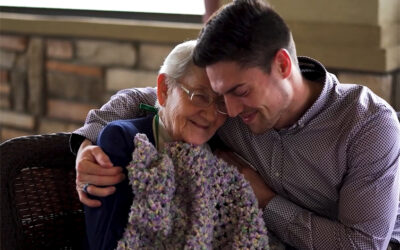
Think about the social web. Who will visit where? I have seen isolated seniors end up being social in assisted living, forming table relationships that family never thought possible. I have actually likewise seen passionate garden enthusiasts wilt in apartment life, then revive with part-time home care that keeps them near their soil. Be truthful about what gives your loved one energy.
Safety and threat: getting past fear to realism
No alternative eliminates threat. Home care can not avoid every fall. Assisted living can not stop every infection or wandering impulse. The concern is which set of dangers you prefer to handle and which supports are strongest for the particular profile.
If falls are the main danger, examine the environment. A single-level home with grab bars, good lighting, and a stable gait might be much safer than a big building with long corridors and thresholds. If nighttime confusion plus range usage is the threat, an environment without a stovetop in assisted living may be more secure. If isolation is spiraling into anxiety, either setting can solve it, however a community has an integrated social structure that home care must actively create.
Risk tolerance differs throughout families. Some accept a higher threat in the house to maintain identity and delight. Others focus on structure and medical oversight. Put those values on the table clearly so you avoid dispute later on. Nothing is harder than siblings arguing crisis-by-crisis without a shared framework.
Questions that separate marketing from reality
Use these targeted concerns to get practical responses fast.
- For home care agencies: What is your typical time to fill a new case? What portion of shifts are missed in a common month, and how do you personnel last-minute openings? Do you offer the exact same caregivers for continuity, and what is your policy when a household requests a change? For assisted living facilities: What is your staff turnover in the last year for caretakers, med techs, and leadership? The number of citizens were asked to move due to increasing care requirements in the last twelve months? How do you deal with after-hours medical concerns, and what portion of calls lead to ED transfers?
Use your own numbers in circumstances. If your mother requires assistance at 6 a.m. to avoid incontinence and pressure on delicate skin, ask both providers how they would satisfy that precise requirement. If your father wanders every few nights, ask for details on nighttime guidance, door alarms, and personnel coverage.
Trial durations and fallback plans
Care requires shift. A smart assessment includes a brief trial and a plan B. With home care, start with more hours than you think you require, then taper after regimens settle. The first week is a change. With assisted living, inquire about respite stays. Numerous communities offer provided apartment or condos for 2 to 6 weeks. It is a low-commitment way to evaluate fit, and it can offer recovery time after hospitalization without a long contract.
Have a fallback plan written down. If your home care aide gives up or your assisted living nurse calls to state they can no longer deal with habits, where do you turn? Keep a list of companies, a second-choice community, and a list of pals or neighbors who can bridge a day or more. When you develop redundancy in calm moments, you prevent panic in the difficult ones.
The caregiver lens: sustainability for family
I meet lots of spouses and adult children who are holding the entire system together. The choice in between in-home care and assisted living frequently depends upon caretaker sustainability. If a spouse is up every night with a partner who has dementia, one fall or one infection can bring both down. Home care can buy sleep if you personnel overnight or early morning shifts, however only if you accept individuals in your area. Assisted living can launch the spouse from direct care, enabling them to focus on visits, love, and advocacy rather than bathing and lifts.
Consider your own life cycles too. Seasons of work strength, travel, or a brand-new grandchild arriving can change what you can do. Be honest with yourself and your siblings. The best strategy is the one you can sustain without resentment.
Red flags that call for a pause
Keep your eyes open for signs that deserve a second look. With home care, vague answers about licensing and supervision, regular last-minute cancellations, and pressure to sign long contracts are red flags. With assisted living, strong smells, staff who do not know citizens by name, postponed responses to call lights, and careless medication practices are all signals to slow down.
Be cautious of bait-and-switch rates. Get the care level evaluation in writing, ask how typically levels are re-evaluated, and what activates an increase. In home care, clarify holiday rates, mileage or transportation fees, and minimum shift lengths. For both settings, ask for referrals and really call them, ideally households with comparable needs.
How to measure success after the decision
Once you start, keep track of a couple of simple indications instead of every small information. Take a look at weight, hydration, sleep quality, mood, and frequency of immediate events like falls, infections, or missed medications. If those pattern in the right instructions, the model is working. In home care, read daily notes and look for patterns of avoided tasks or late arrivals. In assisted living, visit at various times and ask staff about modifications they have noticed.
Give it time. Any shift, even bringing a new caretaker into your home, takes a few weeks to settle. Stay flexible, yet do not tolerate relentless problems after you have actually raised them. Excellent providers welcome feedback and change. If they grow defensive or dismissive, you may need to intensify or change providers.
A couple of grounded scenarios
A widower with mild cognitive disability lives in a one-story condo near pals. He forgets lunch and some pills. Home look after midday, three hours a day, five days a week, costs around 3,500 dollars each month locally. The caretaker prepares lunch, sets out supper, and utilizes a locked med dispenser with alarms. His good friends drop by on weekends. This strategy protects his rhythm and expenses less than assisted living, with the caveat that as memory declines, supervision may require to expand.
A couple in their late 80s lives in a two-story home. She has actually advanced arthritis, requires assistance moving, and he has early dementia. Their adult child lives thirty minutes away. The child attempts to coordinate 4 caretakers to cover mornings and evenings, but call-outs are frequent, and night falls occur. A relocate to assisted dealing with a two-bedroom unit adds foreseeable help for bathing, meals, and meds, and removes stairs from the equation. The daughter sleeps once again. Expense is greater than area home care however lower than 24-hour coverage, and security improves.
A retired teacher with moderate Alzheimer's is exit-seeking and has roamed to a next-door neighbor's patio at midnight twice. Family employs 12-hour over night in-home care at considerable expense, however agitation spikes when brand-new aides get here. After a respite stay, a memory care system with a safe courtyard and strong music therapy program calms her. Staff anticipate her pacing pattern and engage her at sundown. The household check outs daily for lunch and walks.
Bringing it together
The choice between home care and assisted living is not a morality tale about self-reliance versus surrender. It is a coordinating workout in between specific requirements and specific supports. Home care delivers versatile, tailored help inside a treasured environment. Assisted living delivers a plan of structure, security, and social opportunity. Both can fail if the fit is incorrect, and both can be the right response for various seasons of the same individual's life.
Start with requirements and worths, build realistic expense contrasts, pressure test suppliers with pointed questions, and prepare for change. If you do that, you are less most likely to be swept by crisis and most likely to land where lifestyle feels possible once again. When I see households breathe after months of pressure, it is normally since they moved previous generic labels and chose based upon how the days in fact unfold. That is the heart of good senior care, whether you discover it at a kitchen table with a trusted senior caregiver or down the hall of a well-run assisted living community.
FootPrints Home Care is a Home Care Agency
FootPrints Home Care provides In-Home Care Services
FootPrints Home Care serves Seniors and Adults Requiring Assistance
FootPrints Home Care offers Companionship Care
FootPrints Home Care offers Personal Care Support
FootPrints Home Care provides In-Home Alzheimer’s and Dementia Care
FootPrints Home Care focuses on Maintaining Client Independence at Home
FootPrints Home Care employs Professional Caregivers
FootPrints Home Care operates in Albuquerque, NM
FootPrints Home Care prioritizes Customized Care Plans for Each Client
FootPrints Home Care provides 24-Hour In-Home Support
FootPrints Home Care assists with Activities of Daily Living (ADLs)
FootPrints Home Care supports Medication Reminders and Monitoring
FootPrints Home Care delivers Respite Care for Family Caregivers
FootPrints Home Care ensures Safety and Comfort Within the Home
FootPrints Home Care coordinates with Family Members and Healthcare Providers
FootPrints Home Care offers Housekeeping and Homemaker Services
FootPrints Home Care specializes in Non-Medical Care for Aging Adults
FootPrints Home Care maintains Flexible Scheduling and Care Plan Options
FootPrints Home Care is guided by Faith-Based Principles of Compassion and Service
FootPrints Home Care has a phone number of (505) 828-3918
FootPrints Home Care has an address of 4811 Hardware Dr NE d1, Albuquerque, NM 87109
FootPrints Home Care has a website https://footprintshomecare.com/
FootPrints Home Care has Google Maps listing https://maps.app.goo.gl/QobiEduAt9WFiA4e6
FootPrints Home Care has Facebook page https://www.facebook.com/FootPrintsHomeCare/
FootPrints Home Care has Instagram https://www.instagram.com/footprintshomecare/
FootPrints Home Care has LinkedIn https://www.linkedin.com/company/footprints-home-care
FootPrints Home Care won Top Work Places 2023-2024
FootPrints Home Care earned Best of Home Care 2025
FootPrints Home Care won Best Places to Work 2019
People Also Ask about FootPrints Home Care
What services does FootPrints Home Care provide?
FootPrints Home Care offers non-medical, in-home support for seniors and adults who wish to remain independent at home. Services include companionship, personal care, mobility assistance, housekeeping, meal preparation, respite care, dementia care, and help with activities of daily living (ADLs). Care plans are personalized to match each client’s needs, preferences, and daily routines.
How does FootPrints Home Care create personalized care plans?
Each care plan begins with a free in-home assessment, where FootPrints Home Care evaluates the client’s physical needs, home environment, routines, and family goals. From there, a customized plan is created covering daily tasks, safety considerations, caregiver scheduling, and long-term wellness needs. Plans are reviewed regularly and adjusted as care needs change.
Are your caregivers trained and background-checked?
Yes. All FootPrints Home Care caregivers undergo extensive background checks, reference verification, and professional screening before being hired. Caregivers are trained in senior support, dementia care techniques, communication, safety practices, and hands-on care. Ongoing training ensures that clients receive safe, compassionate, and professional support.
Can FootPrints Home Care provide care for clients with Alzheimer’s or dementia?
Absolutely. FootPrints Home Care offers specialized Alzheimer’s and dementia care designed to support cognitive changes, reduce anxiety, maintain routines, and create a safe home environment. Caregivers are trained in memory-care best practices, redirection techniques, communication strategies, and behavior support.
What areas does FootPrints Home Care serve?
FootPrints Home Care proudly serves Albuquerque New Mexico and surrounding communities, offering dependable, local in-home care to seniors and adults in need of extra daily support. If you’re unsure whether your home is within the service area, FootPrints Home Care can confirm coverage and help arrange the right care solution.
Where is FootPrints Home Care located?
FootPrints Home Care is conveniently located at 4811 Hardware Dr NE d1, Albuquerque, NM 87109. You can easily find directions on Google Maps or call at (505) 828-3918 24-hoursa day, Monday through Sunday
How can I contact FootPrints Home Care?
You can contact FootPrints Home Care by phone at: (505) 828-3918, visit their website at https://footprintshomecare.com, or connect on social media via Facebook, Instagram & LinkedIn
A ride on the Sandia Peak Tramway or a scenic drive into the Sandia Mountains can be a refreshing, accessible outdoor adventure for seniors receiving care at home.