Business Name: FootPrints Home Care
Address: 4811 Hardware Dr NE d1, Albuquerque, NM 87109
Phone: (505) 828-3918
FootPrints Home Care
FootPrints Home Care offers in-home senior care including assistance with activities of daily living, meal preparation and light housekeeping, companion care and more. We offer a no-charge in-home assessment to design care for the client to age in place. FootPrints offers senior home care in the greater Albuquerque region as well as the Santa Fe/Los Alamos area.
4811 Hardware Dr NE d1, Albuquerque, NM 87109
Business Hours
Monday thru Sunday: 24 Hours
Facebook: https://www.facebook.com/FootPrintsHomeCare/
Instagram: https://www.instagram.com/footprintshomecare/
LinkedIn: https://www.linkedin.com/company/footprints-home-care
Families hardly ever awaken one morning and decide to move a loved one from home to assisted living. Modifications sneak in gradually. A missed medication here, a small fall there, a pot left on the range twice in a week. Most of my discussions with families begin with an inkling: something is off, but they can not name it yet. The objective is not to rush a choice. It is to read the indications early, weigh alternatives with clear eyes, and respect the person at the center of it all.
I have spent years assisting families navigate senior care, from setting up brief bursts of in-home care after a medical facility stay to directing a mindful transfer to assisted living when the moment called for it. The best response depends upon health status, character, budget, family bandwidth, and the home itself. It typically alters with time. Let's stroll through how to tell whether home care still fits, when assisted living might serve better, and what steps make any shift smoother.
What home care really offers
Home care, also called in-home care or elderly home care, provides assistance in the location the person understands best. It ranges from a couple of hours a week to day-and-night protection. A senior caregiver can help with bathing, dressing, toileting, meal preparation, light housekeeping, errands, transport, medication tips, and safe mobility. Some agencies likewise offer specialized memory care training, post-surgical support, or hospice friendship. The best senior home care feels personal and flexible. It can grow and diminish with changing needs, which is why households typically begin here.
Home care shines when the home is safe and adaptable, when the person worths their regimens, and when primary medical care is steady. For lots of, this setup extends independence for many years. I have customers who began with 4 hours three times a week to cover showers and in-home senior care medication pointers, then stepped up slowly to 12-hour day shifts after a hospital stay, and later on tapered back to early mornings only when strength returned.
People underestimate the social side of in-home senior care. A skilled caregiver does more than tasks. They notice patterns, ease stress and anxiety, set a calm pace, and keep the day anchored. For someone who dislikes groups or tires easily, that one-to-one attention can be a better fit than any structure full of activities.
What assisted living truly offers
Assisted living is not a nursing home. It is residential housing with built-in assistance, planned for individuals who can live somewhat individually however require aid with day-to-day activities. Personnel are on-site 24 hours, and services typically include meals, housekeeping, medication management, individual care, and arranged transport. A lot of communities layer in social programs, fitness classes, and trips. Apartments differ from studios to two-bedrooms. Some properties have committed memory care wings with extra staffing and security.
Assisted living shines when care requirements correspond everyday, when somebody is isolated in the house, or when a spouse or adult kid is stretched thin. The model is developed to avoid typical dangers: missed out on meds, bad nutrition, dehydration, and falls without instant aid. It also simplifies life. You do not need to collaborate several caregivers, fill up a pillbox weekly, or coax a hesitant parent into a shower every third day. The building's routines bring a few of that weight.
Families often withstand assisted living since they fear it will strip autonomy. A good community does the opposite. It reduces friction on vital jobs so the individual's energy can approach what they delight in. I have actually seen people who barely ate at home perk up once meals are served hot with a table of neighbors, then gain enough strength to sign up with a gardening group two afternoons a week.
Key differences that matter day to day
If the objective is to stay home, the question ends up being how to make it safe and sustainable. If the goal is to eliminate pressure and boost consistency, assisted living may be the better fit. The differences appear in 3 practical locations: staffing design, environment, and expense structure.
Home care's staffing is one-to-one, set up by the hour. You spend for the time you set up. That means attention is focused, however coverage spaces can appear in between shifts if requirements surge suddenly. Assisted living's staffing is many-to-one, with a care team covering locals. You may see multiple helpers in a day, which delivers availability all the time, yet less constant individually time.
Home is familiar. It holds history and control: the favorite chair by the window, the precise tea mug, the pet dog's schedule. The other hand is that homes gather threats, particularly stairs, clutter, narrow entrances, and restrooms without grab bars. Assisted living provides a developed environment optimized for older grownups: step-in showers, call buttons, wider halls, elevators, and floors that minimize slip dangers. You quit the pet dog in some buildings, though lots of now permit small animals with an extra deposit.
Cost varies extensively by area. Home care generally charges per hour, often with a minimum shift length. Agencies in lots of metro locations run in between 28 and 40 dollars per hour for basic care, more for over night or sophisticated dementia support. That makes eight hours a day, seven days a week, approximately 6,200 to 8,900 dollars a month, before you add rent, energies, food, and maintenance of the home. Assisted living typically expenses a base monthly rent plus a tiered care fee, with averages that can range from the low 3,000 s to over 7,000 dollars a month depending upon area and level of help. Memory care expenses more. The curves cross when somebody needs near-constant supervision. Twenty-four-hour home care frequently surpasses the expense of assisted living, though distinct circumstances can tilt the math.
Early indications home care is enough, for now
When families ask, I look for signals that in-home care can stabilize the situation. If a person has mild forgetfulness however still follows routines with triggers, eats when meals are plated, and can move with standby support, a senior caretaker a couple of days a week may cover the spaces. If persistent conditions like diabetes or cardiac arrest are controlled and no recent falls have happened, home remains feasible with a safety tune-up.
Another green light is the person's attitude. If they accept aid without bitterness and stay engaged with the caretaker, home care typically goes far. I consider Mr. L, a retired engineer who did not like groups however liked to play. We placed a caregiver who shared his interest in radios. She coaxed him through showers with an offer carved over coffee: 5 minutes in the bathroom buys half an hour of radio talk. He stayed at home, healthy, for three more years.
Financial and household bandwidth matter too. If adult kids can cover evenings or weekends and the budget plan supports weekday assistance, the patchwork can hold. Your home also requires to cooperate: one-level living, great lighting, and a restroom that can be modified with grab bars and a shower chair.
Red flags that point toward assisted living
There are moments when even exceptional in-home care can not neutralize the threats. Patterns matter more than one-off events. Look for these sustained shifts.
- Frequent medication errors in spite of great reminders. If tablet organizers, alarms, and caregiver triggers still fail, the regulated environment of assisted living, with nursing oversight and med passes, minimizes danger. Unstable walking and repeated falls. 2 or more falls in a few months, particularly with injuries or over night events, recommends the individual requires a place with 24-hour staff and immediate response. Nighttime roaming or exit-seeking. For somebody with dementia who leaves bed at 2 a.m. or tries doors, a protected memory care setting ends up being safety, not restriction. Weight loss, dehydration, or bad health that persists. If home meal prep and set up showers do not reverse the trend, a community with structured dining and regular individual care keeps the fundamentals on track. Caregiver burnout. When a spouse is sleeping lightly, listening for every single turn, or an adult kid is missing work repeatedly, the circumstance is not sustainable. Assisted living can safeguard everyone's health.
I have seen households press through 6 months too long because the parent insisted they were fine. The turning point typically comes after a hospitalization for a fall, a urinary system infection, or an episode of confusion. If the person returns weaker and more disoriented, their standard has shifted. Layering more hours of home care might assist briefly, however the cycle can repeat. A planned relocation is far kinder than a crisis move.

The gray zone: when both seem wrong
Sometimes the individual does not need full assisted living, yet home feels unsteady. This is the hardest space to browse. Think about respite stays, which are short-term rentals in assisted living, typically provided, for weeks or a few months. A respite stay can support recovery after surgery or give a trial run without a long-lasting lease. I had a client who did 2 cold weather in assisted living to avoid ice and isolation, then returned home for the spring and summer with part-time care.
Another option is adult day programs that provide structure during service hours, coupled with home care in early mornings or nights. For somebody with moderate dementia who ends up being restless in the afternoon, day programs offload the trickiest window while protecting nights in the house. Transportation is typically included.
You can also step up home infrastructure. Install motion-sensing lights, place grab bars, include a raised toilet seat, eliminate toss rugs, and relocate the bed room to the first flooring. Technology helps, but it is not a panacea. Video doorbells, stove shutoff devices, medication dispensers with locks, and fall-detection wearables can minimize danger, yet none change a human existence when cognition is in flux.
How to check out changes without overreacting
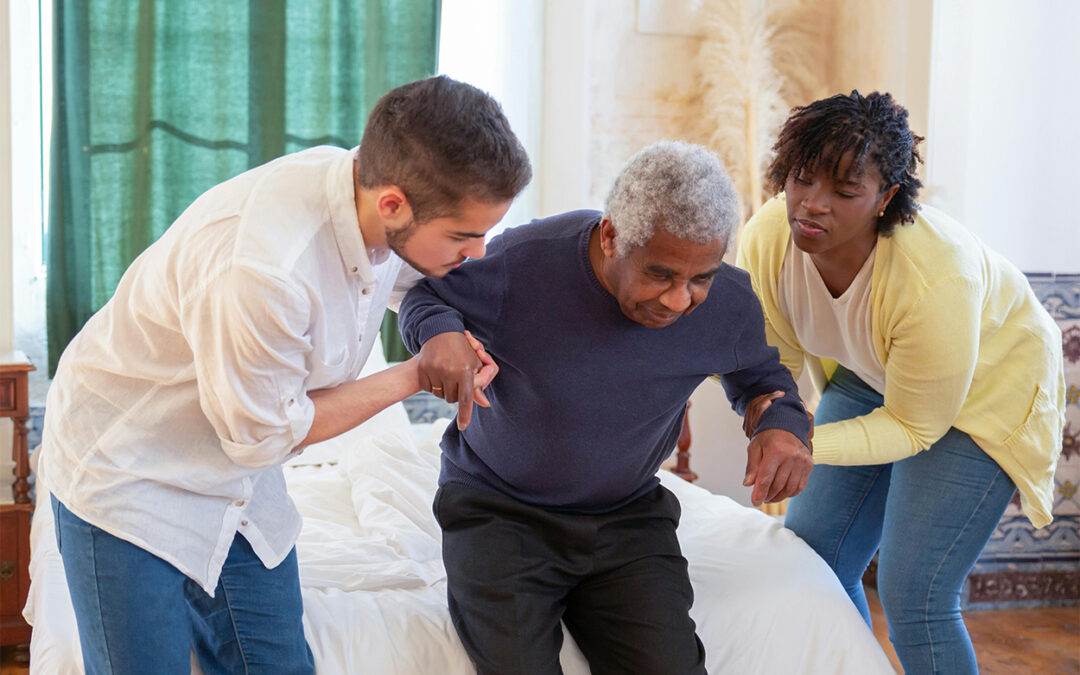
Families often jump at the first scare. A better technique is to track patterns throughout 4 domains: medical stability, functional ability, cognition, and social habits. Keep an easy log for six to eight weeks. Keep in mind missed medications, falls or near-falls, appetite, hydration, sleep quality, mood modifications, and any roaming or agitation. Share the log with the primary doctor. It brings clarity, and it prevents one bad day from determining a huge decision.
When I evaluate logs, I search for frequency and instructions. Are errors happening more often? Are they clustering at certain times? If mornings are smooth however evenings unwind, you can target assistance. If problems spread out throughout the day, you may require a broader layer of support. I also listen for what the individual themselves states when asked carefully, at a calm moment. Individuals typically understand they are having a hard time in one location. If they admit showering feels risky, develop help there initially. Self-confidence grows when they feel heard, not managed.
The cash question, addressed plainly
Families fret about expense more than anything else, and they should. The wrong financial relocation can force a disruptive change later. Start by mapping current spending to keep somebody at home: property taxes or lease, utilities, groceries, maintenance, transport, and any existing home care service. Then cost realistic care hours for the next 6 months, not the last six weeks. If a loved one is hazardous over night, consist of the expense of awake night shifts, which usually run greater than daytime hours.
Compare that to 2 or 3 assisted living communities that fit location and ambiance. Request line-item quotes: base lease, care level cost, medication management, incontinence materials, second-person transfer fee if required, and supplementary services like escorts to meals. Costs differ by home size too. A studio may suffice and significantly cheaper. Likewise confirm what happens if care requirements increase. Some neighborhoods are priced on tiers, others utilize point systems that inch upward unpredictably.
Paying for either design typically includes a mix of private funds, long-lasting care insurance coverage, Veterans Help and Participation in many cases, and, later on, Medicaid if the state program and the neighborhood's participation line up. Medicare does not pay for custodial care, just brief experienced episodes. If a long-term care policy exists, check out the removal duration and benefit activates carefully. Many policies require aid with two activities of daily living or supervision for cognitive problems to open the tap. Deal with the physician to document this accurately.
Emotional preparedness matters as much as scientific need
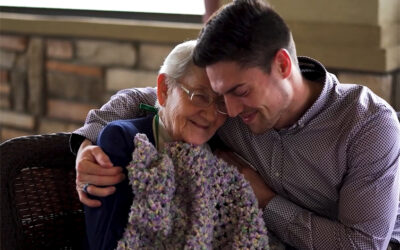
Moves stop working when the individual feels railroaded. Even with clear security issues, respect their speed. Frame the modification around what matters to them. If the issue is solitude, lead with community and activities, not care tasks. If dignity is vital, focus on the privacy of having someone else handle personal care instead of a child doing it. One child I dealt with swapped words thoroughly: instead of saying "assisted living," he said "a place that manages the chores so you can concentrate on your painting." He was not lying. It landed far better.
Visit neighborhoods together. Stay for a meal. Sit silently in the lobby at various times of day and watch how personnel engage with residents. This is where instincts count. Trust yours. A refined tour indicates little if you do not see heat in the unscripted moments. Ask the hard concerns: staff-to-resident ratios by shift, typical tenure of caregivers, how they handle night wakings, and for how long call lights take to respond to. For memory care, check door security and how they hint citizens through the day with calendars, music, or sensory stations.
What successful home care looks like
If home is the path, design it with intention. Start with a home safety evaluation from a physical or physical therapist, not simply a handyman. Therapists see how your loved one relocations in real time and tailor modifications. Set up a consistent caretaker team, ideally two or 3 individuals who turn, instead of a parade of complete strangers. Continuity constructs trust and captures subtle changes faster.
Clarify goals with the senior caretaker. For example, prioritize hydration by setting beverage triggers every hour in the afternoon, when UTIs and confusion often brew. For mobility, practice safe transfers 3 times daily. If sundowning is a concern, schedule a relaxing walk at 3 p.m. before anxiety increases at 5. Give caregivers the tools to prosper: a shower chair that fits the space, a hand-held showerhead, non-slip shoes, a medication dispenser that locks if pilfering is a concern. And put an emergency situation intend on the refrigerator with contacts, allergic reactions, diagnoses, and code to the door lock.
Respite for household is not optional. If a partner is the primary assistant, safeguard two half-days a week for their own medical consultations and rest. Caregiver burnout does not reveal itself. It collects as irritability, lapse of memory, and illness. I have seen a healthy partner in their seventies land in the healthcare facility since they soldiered through too long.
What a smooth transition to assisted living looks like
The best relocations seem like a continuation of care, not a rupture. Bring familiar products. That does not mean shipping every furniture piece. It indicates the quilt they tucked under their chin for fifteen years, the reading lamp with the ideal dim radiance, the little framed image from their wedding, and the chair that supports their back so. Move these initially, then the person. If possible, do the setup while a relied on relative takes them for lunch.
Share a succinct care biography with personnel: chosen name, day-to-day rhythms, favorite beverages, long-lasting occupation, significant losses, foods they like and dislike, what soothes them when disturbed. Personnel want to connect quickly, and these details assist. Location a list of practical pointers on the inside of a closet door: hearing aids go in the blue case, requires assistance with buttons, hates pullover sweatshirts, chooses showers before breakfast, will refuse at first however concurs if you use a warm towel.
Expect a modification duration. New medications regimens, weird corridors, and various smells are disconcerting. Some new locals attempt to check boundaries or withdraw. Keep checking out, but do not hover. Let personnel build a relationship. Request a care conference at the two-week mark. Tweak the plan: possibly a smaller dining room matches, or a morning med pass requirements to move thirty minutes earlier to avoid dizziness.
Case pictures from the field
Mrs. J, 84, lived alone after a moderate stroke. Her child worked with in-home take care of three mornings a week to supervise showers and breakfast. A physical therapist set up grab bars, and a nutritionist upped protein with Greek yogurt and eggs. Over four months, Mrs. J's strength returned, and they decreased care to twice weekly for housekeeping and a check-in. Home care worked since the stroke deficits were small, your house was one level, and Mrs. J welcomed the help.
Mr. and Mrs. D, both in their late eighties, demanded staying in their two-story home. He had Parkinson's with increasing falls. She had arthritis and slept improperly due to the fact that she listened for him in the evening. They layered in 12 hours a day of senior care and tried tech alarms. After his third fall at 3 a.m., they accepted tour assisted living. They picked a neighborhood with a Parkinson's workout group and wider restrooms. 2 months after moving, Mrs. D looked ten years more youthful, and Mr. D had no falls, partially due to instant aid and a constant medication schedule.
Ms. K, 76, with early dementia, wandered at dusk. Her child, a single moms and dad, could not ensure he would be home at that hour. They attempted an adult day program and evening home care 3 days a week. Wandering dropped due to the fact that she came home happily tired after social time, and a caregiver walked with her at 5 p.m. The solution held for a year. When she started leaving bed at night, they transitioned to memory care to keep her safe.
A reasonable path forward
No one wishes to lose control of where they live. Framing the option as a series of changes assists. Initially, support safety in the house and present a home care service in targeted ways. Second, keep a simple log and watch trends. Third, tour two or 3 assisted living communities before you require them, so the idea is familiar, not a hazard. 4th, talk honestly as a family about limits that would trigger a relocation, like repeated night wandering or more falls with injury.
You do not have to select a permanently strategy. Lots of families begin with at home senior care, then use respite at assisted living after a medical facility stay, and later dedicate to a permanent move when needs cross a line. The hardest part is catching that line while you still have choices.
A short checklist for your next conversation
- What is changing: frequency of falls, med errors, weight reduction, wandering, caregiver strain. What can be customized in your home: security upgrades, schedule, targeted hours of home care. What the person values most: privacy, regular, pets, social contact, particular hobbies. What the budget supports over 12 months: true expenses in the house versus assisted living tiers. What options are readily available: vetted firms for senior care and 2 neighborhoods you have actually seen.
The best support maintains not just safety, however identity. Some people love a senior caregiver in their cooking area, the pet at their feet, and quiet afternoons. Others brighten in a dining room with neighbors, relieved that another person keeps an eye on the tablets. Both paths can honor a life well lived. The skill depends on understanding when one course ends and the next begins, then walking it with respect, sincerity, and care.
FootPrints Home Care is a Home Care Agency
FootPrints Home Care provides In-Home Care Services
FootPrints Home Care serves Seniors and Adults Requiring Assistance
FootPrints Home Care offers Companionship Care
FootPrints Home Care offers Personal Care Support
FootPrints Home Care provides In-Home Alzheimer’s and Dementia Care
FootPrints Home Care focuses on Maintaining Client Independence at Home
FootPrints Home Care employs Professional Caregivers
FootPrints Home Care operates in Albuquerque, NM
FootPrints Home Care prioritizes Customized Care Plans for Each Client
FootPrints Home Care provides 24-Hour In-Home Support
FootPrints Home Care assists with Activities of Daily Living (ADLs)
FootPrints Home Care supports Medication Reminders and Monitoring
FootPrints Home Care delivers Respite Care for Family Caregivers
FootPrints Home Care ensures Safety and Comfort Within the Home
FootPrints Home Care coordinates with Family Members and Healthcare Providers
FootPrints Home Care offers Housekeeping and Homemaker Services
FootPrints Home Care specializes in Non-Medical Care for Aging Adults
FootPrints Home Care maintains Flexible Scheduling and Care Plan Options
FootPrints Home Care is guided by Faith-Based Principles of Compassion and Service
FootPrints Home Care has a phone number of (505) 828-3918
FootPrints Home Care has an address of 4811 Hardware Dr NE d1, Albuquerque, NM 87109
FootPrints Home Care has a website https://footprintshomecare.com/
FootPrints Home Care has Google Maps listing https://maps.app.goo.gl/QobiEduAt9WFiA4e6
FootPrints Home Care has Facebook page https://www.facebook.com/FootPrintsHomeCare/
FootPrints Home Care has Instagram https://www.instagram.com/footprintshomecare/
FootPrints Home Care has LinkedIn https://www.linkedin.com/company/footprints-home-care
FootPrints Home Care won Top Work Places 2023-2024
FootPrints Home Care earned Best of Home Care 2025
FootPrints Home Care won Best Places to Work 2019
People Also Ask about FootPrints Home Care
What services does FootPrints Home Care provide?
FootPrints Home Care offers non-medical, in-home support for seniors and adults who wish to remain independent at home. Services include companionship, personal care, mobility assistance, housekeeping, meal preparation, respite care, dementia care, and help with activities of daily living (ADLs). Care plans are personalized to match each client’s needs, preferences, and daily routines.
How does FootPrints Home Care create personalized care plans?
Each care plan begins with a free in-home assessment, where FootPrints Home Care evaluates the client’s physical needs, home environment, routines, and family goals. From there, a customized plan is created covering daily tasks, safety considerations, caregiver scheduling, and long-term wellness needs. Plans are reviewed regularly and adjusted as care needs change.
Are your caregivers trained and background-checked?
Yes. All FootPrints Home Care caregivers undergo extensive background checks, reference verification, and professional screening before being hired. Caregivers are trained in senior support, dementia care techniques, communication, safety practices, and hands-on care. Ongoing training ensures that clients receive safe, compassionate, and professional support.
Can FootPrints Home Care provide care for clients with Alzheimer’s or dementia?
Absolutely. FootPrints Home Care offers specialized Alzheimer’s and dementia care designed to support cognitive changes, reduce anxiety, maintain routines, and create a safe home environment. Caregivers are trained in memory-care best practices, redirection techniques, communication strategies, and behavior support.
What areas does FootPrints Home Care serve?
FootPrints Home Care proudly serves Albuquerque New Mexico and surrounding communities, offering dependable, local in-home care to seniors and adults in need of extra daily support. If you’re unsure whether your home is within the service area, FootPrints Home Care can confirm coverage and help arrange the right care solution.
Where is FootPrints Home Care located?
FootPrints Home Care is conveniently located at 4811 Hardware Dr NE d1, Albuquerque, NM 87109. You can easily find directions on Google Maps or call at (505) 828-3918 24-hoursa day, Monday through Sunday
How can I contact FootPrints Home Care?
You can contact FootPrints Home Care by phone at: (505) 828-3918, visit their website at https://footprintshomecare.com, or connect on social media via Facebook, Instagram & LinkedIn
A visit to the ABQ BioPark Botanic Garden offers a peaceful, gentle outing full of nature and fresh air — ideal for older adults and seniors under home care.